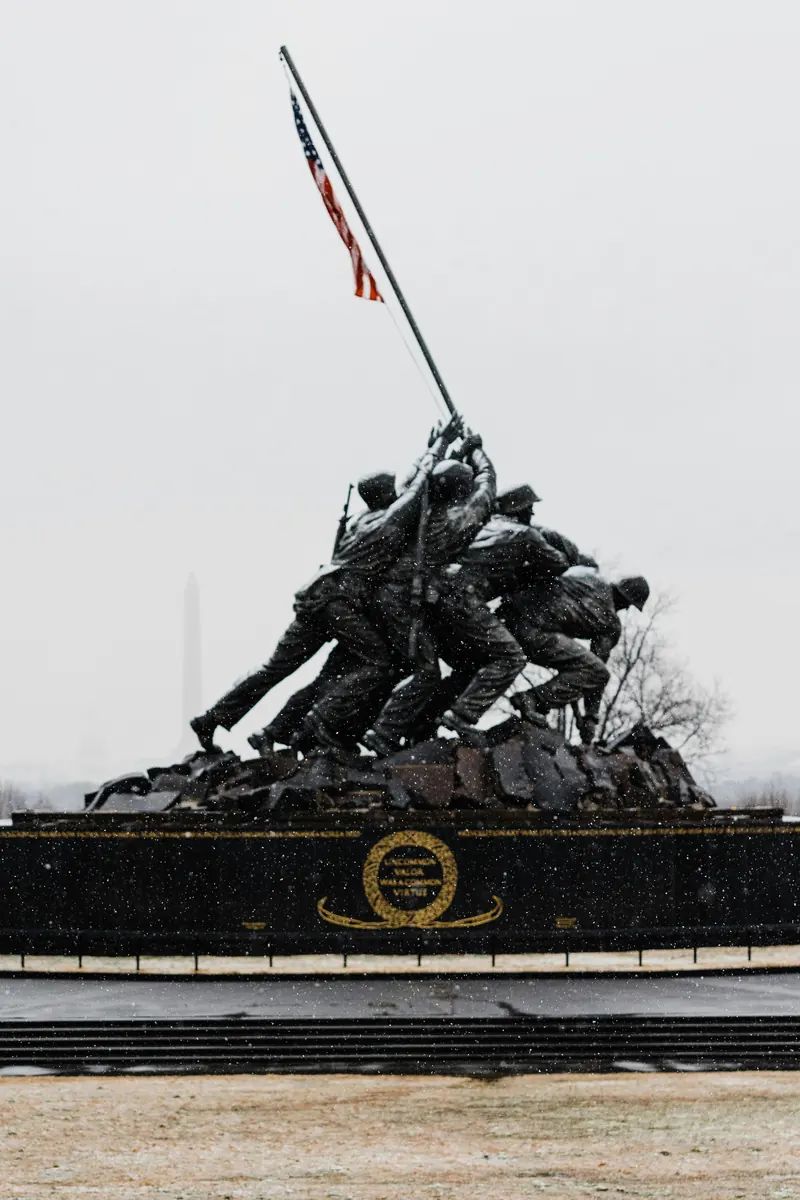
You don't transition the same way you served.
For senior military officers, financial planning is rarely about a single retirement date. It's about navigating the final years of service and the structural shift that follows.
You are stepping away from rank, authority, operational tempo, and a built-in ecosystem that has shaped your identity for decades. At the same time, you may be evaluating follow-on career paths, consulting or board opportunities, geographic relocation, and how your family's next chapter unfolds.
These decisions begin well before your retirement ceremony.
- Pension elections.
- Survivor Benefit Plan structure.
- VA coordination.
- TSP positioning.
- GI Bill transfer value and beneficiary strategy.
- Second-career income timing.
- State tax exposure.
- Estate structure.
Many of these choices are irreversible.
Several compound quietly if sequenced incorrectly.
At senior rank, complexity increases — not decreases.
You may have:
- A substantial military pension
- Significant Thrift Savings Plan balances
- Deferred compensation or consulting income potential
- Higher fixed lifestyle obligations
- College funding considerations
- Increased exposure to tax compression in the first five years after service
Some officers pursue advanced degrees during this transition. Credentials can create leverage — but only when evaluated within a disciplined compensation and tax framework rather than anchored to the degree itself.
The primary risk is not market volatility.
It is structural sequencing error during a period of identity shift and professional reinvention.
The ILS Decision Sequencing System™ for Senior Officers
Every engagement follows the same disciplined structure:
-
1
Establish the Income Floor
We define the non-negotiable baseline your family requires — independent of market returns.
-
2
Map Lifetime Benefit Streams
- Military pension.
- VA Disability compensation.
- GI Bill transfer value.
- Healthcare eligibility.
- Potential second-career income.
We model how they interact — not in isolation.
-
3
Pressure-Test Irreversible Decisions
- Survivor Benefit Plan elections.
- Pension start timing.
- Terminal leave sequencing.
- Relocation timing.
- Insurance structure.
- Beneficiary designations.
These decisions are permanent. They must be stress-tested before executed.
-
4
Sequence Tax Buckets
The first five years after service often create a compression window.
We model:
- Pension layering with civilian income
- Roth conversion windows
- Capital gains exposure
- State tax relocation strategy
- TSP withdrawal sequencing
Tax structure is built before portfolio optimization.
-
5
Contain Fragility
- Career fragility.
- Health uncertainty.
- Second-career instability.
- Board or consulting income variability.
- Family dependency risk.
Structure must account for instability before optimizing growth.
-
6
Optimize Return
Only after income floor, benefit mapping, irreversible decisions, tax sequencing, and fragility containment are defined do we optimize investment allocation.
Structure first.
Optimization second.
Planning Before and After Retirement
Whether you are:
- 3–5 years from retirement
- Within 24 months of terminal leave
- Recently transitioned into a second career
- Structuring consulting or board compensation
The planning discipline remains the same.
Senior officer transitions are not solved by product selection.
They are solved by structure.
For Officers Transitioning to the Airlines
Some senior officers — particularly those with military aviation backgrounds — transition into commercial aviation.
Airline compensation curves, non-elective 401(k) contributions, early-career seniority risk, and pension stacking dynamics require a different modeling approach.
If that is your path, review the dedicated page for:
- Financial Planning for Military to Airline Transitions
- Financial Planning for Airline Pilots
- Financial Planning for Fractional Aviators
These pages addresses airline-specific sequencing considerations in detail.